
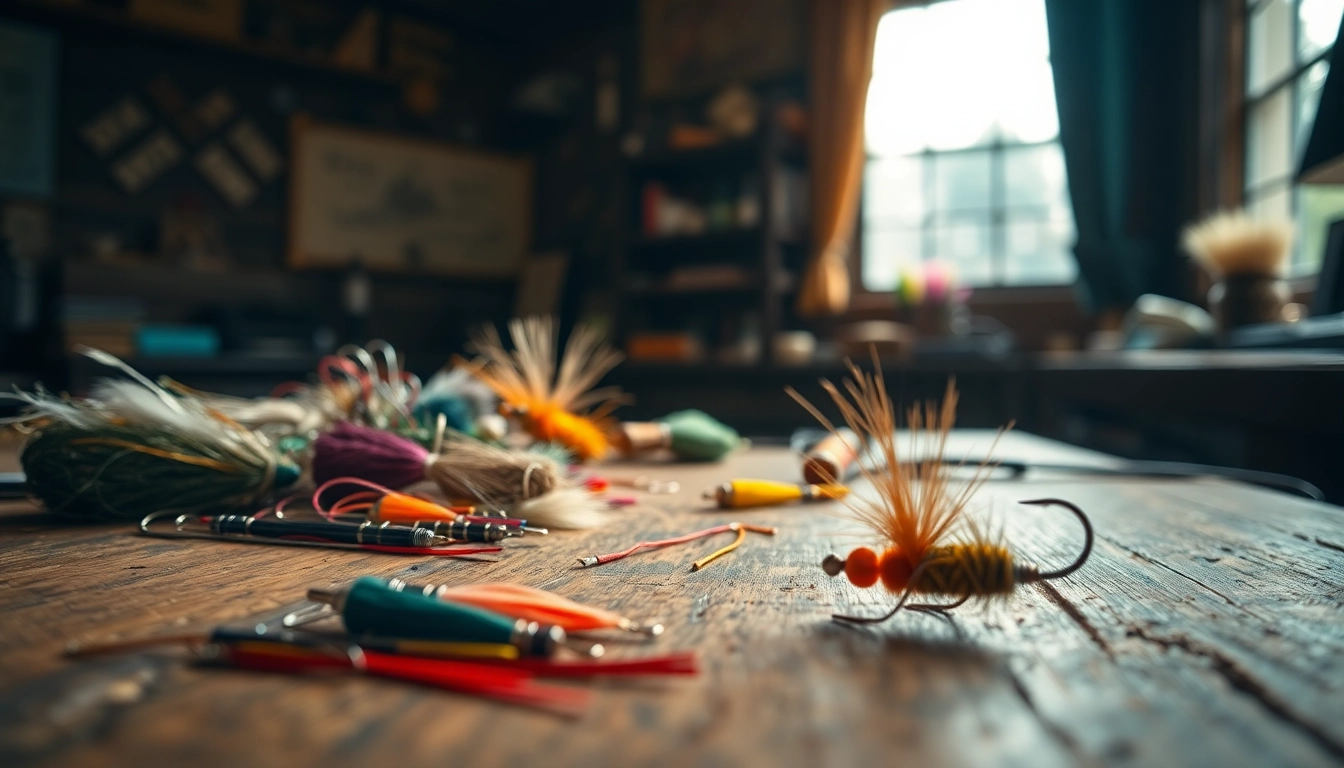
Understanding the Essentials of Fly Tying
Fly tying is a captivating art that marries creativity with the skilled practice of creating artificial flies used in fishing. Whether you’re a novice looking to dip your toes into this unique hobby or an experienced tyer searching for new techniques and materials, understanding the essentials of fly tying is crucial. In this section, we will unravel the fundamental aspects of fly tying, starting from its definition to the necessary tools and materials you’ll need to get started.
What is Fly Tying?
Fly tying involves constructing fishing lures, often referred to as flies, using various threads, hooks, and materials. These flies come in different designs and styles, aimed at mimicking aquatic insects, baitfish, or other food sources that target fish. The primary goal is to create a fly that is both functional for fishing and aesthetically appealing. Successful fly tying requires an understanding of fish behavior, entomology, and even color theory, as each fly must effectively deceive its intended catch.
Necessary Tools for Fly Tying
Getting started with fly tying requires a few essential tools that help you craft your flies effectively.
- Vises: A fly tying vise holds your hook securely while you work on your fly. There are various types of vises, including rotary and fixed, each serving different tying styles.
- Scissors: Sharp, fine-tipped scissors are vital for trimming materials and ensuring precision.
- Bobbin Holder: This tool holds the thread and allows you to control its tension, which is critical for building your flies.
- Hackle Pliers: Used to grip and wrap hackle feathers around the hook, these make it easier to create a realistic appearance.
- Whip Finisher: This tool helps to secure the thread at the end of your tying process, ensuring your fly can withstand some excitement during fishing.
Choosing the Right Materials for Fly Tying
In fly tying, the choice of materials is nearly as important as the technique. Different materials contribute to the effectiveness and appearance of your flies. Here’s a brief overview of commonly used materials:
- Thread: Comes in various sizes and strengths. Choose the right thread for your fly pattern and hook size.
- Feathers: Used for wings and tails. Hackle feathers, saddle feathers, and others all offer different visual characteristics.
- Fur and Hair: Deer hair, marabou, and dubbing provide the necessary body and profile to flies.
- Beads and eyes: Adding weight or creating a realistic look, beads and eyes can enhance both the functionality and aesthetics of your flies.
Basic Fly Tying Techniques
Once you’ve equipped yourself with the necessary tools and materials, it’s time to dive into the actual act of fly tying. Mastering basic techniques lays the groundwork for advanced skills, ensuring you’re well-prepared for future creations.
Starting with Simple Patterns
When beginning your fly tying journey, it’s advisable to start with simple patterns. Patterns like the Woolly Bugger, Adams, and Elk Hair Caddis are excellent choices for newcomers due to their straightforward construction and effectiveness in catching fish. Each pattern introduces core techniques such as body wrapping, feather placement, and finishing techniques that are foundational to fly tying.
Techniques for Improving Your Skills
Improving your fly tying skills requires consistent practice and a willingness to learn. Here are some tips:
- Practice Regularly: Set aside dedicated time each week to tie and experiment with new patterns.
- Observe Experienced Fly Tyers: Watching tutorials or attending local fly-tying events can show you different techniques you might not be aware of.
- Join Workshops: Numerous clubs offer workshops that help beginners refine their skills and learn advanced techniques.
Common Mistakes to Avoid in Fly Tying
Even seasoned fly tyers can make mistakes. Here are some common pitfalls and how to avoid them:
- Overdressing the Fly: Less is often more; too many materials can make flies bulky and unrealistic.
- Using Poor Quality Hooks: Investing in quality hooks enhances both the performance and durability of your flies.
- Ignoring Proportions: Pay attention to the ratios of materials to maintain a balanced appearance in your flies.
Advanced Fly Tying Methods
After mastering the basics, you can explore advanced techniques that can take your fly tying to the next level. These methods require patience and practice but can significantly enhance your patterns and fishing success.
Complex Patterns and Their Techniques
Complex patterns often involve multiple techniques, and mastering them can yield impressive results. Flies like the Matuka and Intruder incorporate intricate wing designs and body materials. Techniques like cone-head integration and layering materials will be vital in this stage of your fly tying journey. Focus on mastering each section of the fly individually to improve both the quality and consistency of your work.
Incorporating Innovative Materials
Innovation is key in fly tying. Experimenting with unconventional materials such as foam, rubber legs, or synthetic fibers can lead to groundbreaking patterns that perform well in various fishing conditions. Materials like UV-reactive threads and biodegradable synthetic options reflect the trends in modern fly tying materials.
Tips from Experienced Tyers
Learning from experienced tyers can greatly enhance your skills. Here are some insights gathered from fly tying experts:
- Stay Organized: Keep your materials and tools organized; it saves time and enhances your creative flow.
- Document Your Patterns: Maintain a fly tying journal to track what works and what doesn’t for future reference.
- Stay Adaptable: Don’t be afraid to tweak your techniques or materials based on the fish you’re targeting.
Performance and Impact of Fly Tying
The effectiveness of fly tying extends beyond mere aesthetics; the flies you create can dramatically influence your fishing success. Understanding the performance of your flies is integral to improving your overall catch rate.
Understanding the Role of Flies in Fishing
Effective flies imitate the natural prey of fish, making the angler’s choice of fly crucial. Factors such as time of year, local insect hatches, and water conditions should inform your fly selection. Understanding the lifecycle of aquatic insects, as well as the feeding habits of target fish species, is vital for choosing the right fly.
How to Test Your Flies
Testing flies can be done in a controlled environment before heading to the water. You can simulate how a fly acts in water by observing its motion and ensuring it looks lifelike. If possible, connect with other angler friends to solicit feedback on your designs and their effectiveness during actual fishing trips.
Analyzing Patterns for Better Results
Analyzing the success of your fly patterns goes a long way in refining your techniques. Keeping track of conditions, fly selections, and catches can provide valuable insights over time. Hone in on patterns that perform best and be willing to adapt based on what you learn each outing.
Community and Resources for Fly Tying
The fly tying community is vibrant and supportive, offering numerous resources for improvement and connection. Engaging with fellow enthusiasts can provide motivation, encouragement, and an opportunity to learn new skills.
Finding Local and Online Fly Tying Communities
Local fly shops or clubs are great places to meet fellow fly tyers, attend workshops, and gain hands-on experiences. Online communities through platforms such as social media and dedicated forums also serve as valuable resources for sharing patterns, asking questions, and collaborating with others.
Recommended Books and Online Courses
Books such as “The Essential Guide to Fly Tying” provide in-depth knowledge and patterns, while online courses can further this education through focused video instructions. Resources from reputable websites often include detailed tutorials that are helpful for all skill levels.
Joining Fly Tying Competitions
Participating in fly tying competitions is an excellent way to challenge yourself and gain recognition for your skills. These events can provide valuable feedback, help you meet fellow enthusiasts, and even lead to potential sponsorship opportunities.
FAQs about Fly Tying
What is the best beginner fly tying pattern?
The Woolly Bugger is often recommended for beginners because of its simple structure and effectiveness in catching fish.
How much time does it take to learn fly tying?
The learning curve varies by individual. Many can feel comfortable with basics after a few weeks of consistent practice, but mastery takes much longer.
What materials do I need to start fly tying?
Begin with a vise, scissors, thread, bobbin holder, and basic feathers and fur for creating simple fly patterns.
Can I tie flies without a tying vise?
While a vise is highly recommended for stability and precision, you can technically tie flies without one, but it may be more challenging.
Where can I find fly tying communities?
Local shops, fishing clubs, online forums, and social media platforms are excellent resources for connecting with other fly tyers.
