
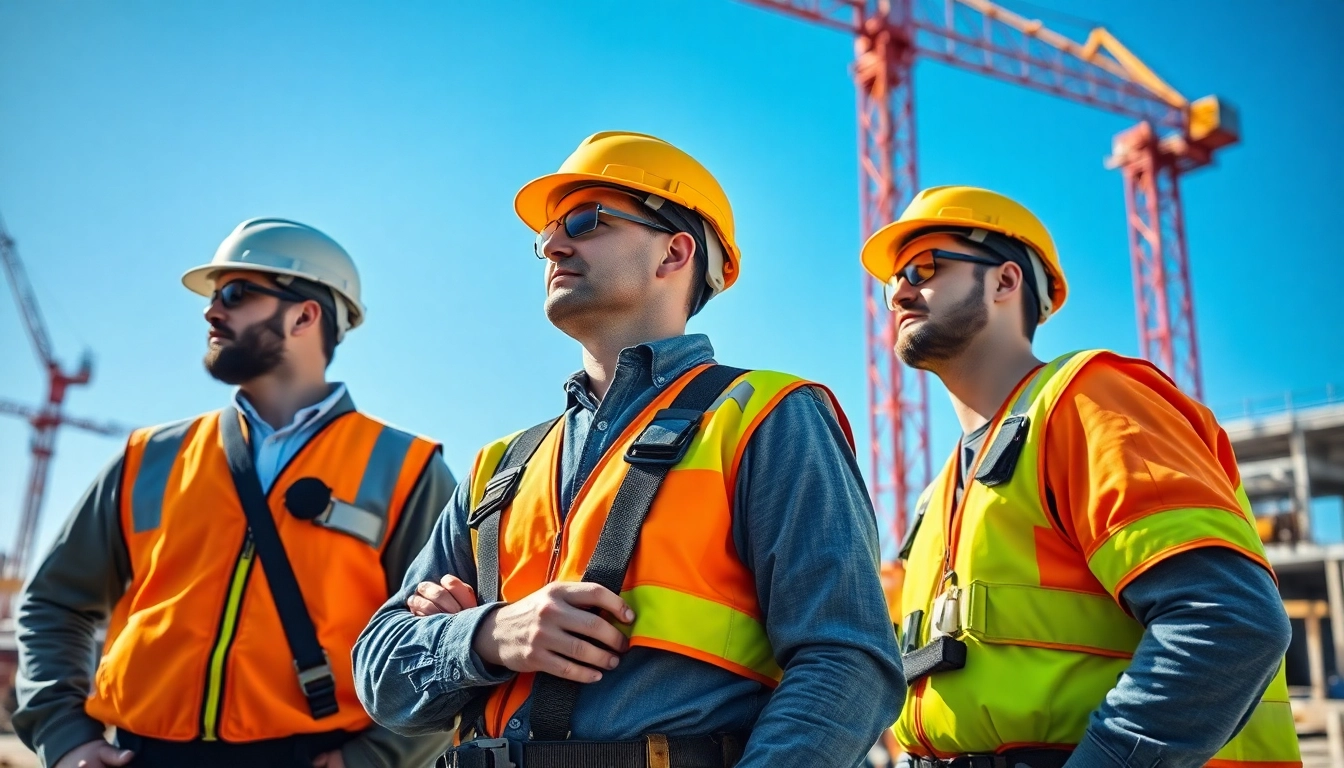
Understanding Construction Site Safety
What is Construction Site Safety?
Construction site safety encompasses the regulations, procedures, and practices enforced to minimize risks and ensure the well-being of workers and visitors in the construction environment. It includes a range of activities aimed at preventing accidents, injuries, and health hazards. By fostering a culture of safety, contractors and project managers can significantly reduce the likelihood of mishaps that can lead to costly downtime and legal repercussions. A strong emphasis on construction site safety is an investment in a project’s success, enhancing productivity and morale.
Importance of Construction Site Safety
The importance of construction site safety can hardly be overstated. It protects workers from potential hazards such as falls, equipment accidents, and exposure to harmful substances. The consequences of neglecting safety protocols can be severe, ranging from legal liabilities to increased insurance costs. Furthermore, a committed focus on construction site safety fosters a positive reputation for organizations, making them more appealing to skilled labor and clients alike. Establishing a robust safety culture also boosts employee retention and satisfaction.
Common Hazards in Construction Sites
Construction sites are fraught with various hazards, including:
- Slip and Fall Hazards: Uneven surfaces, debris, and poor weather conditions can contribute to slips and falls.
- Electrical Hazards: Improperly handled electrical installations can lead to shocks and fires.
- Machinery and Equipment Accidents: Heavy machinery can cause serious injuries if operated without proper safety protocols.
- Hazardous Materials: Exposure to chemicals or asbestos can pose serious health risks.
- Noise Pollution: Prolonged exposure to loud equipment can lead to hearing loss and other health issues.
Key Components of Safety Protocols
Personal Protective Equipment (PPE) Essentials
Personal Protective Equipment (PPE) is vital in safeguarding workers against specific hazards. Essential PPE includes:
- Helmets: Protect against head injuries from falling objects.
- Gloves: Shield hands from chemicals and abrasion.
- High-Visibility Clothing: Ensures that workers are seen, reducing the risk of accidents.
- Safety Boots: Designed to prevent foot injuries and provide grip in slippery conditions.
- Eye Protection: Safeguards against flying debris and hazardous materials.
Safety Training and Guidelines
Effective safety training and clear guidelines are essential components of a sound safety strategy. Regular training sessions should cover:
- Proper usage of PPE,
- Emergency response protocols,
- Safe operation of machinery, and
- Site-specific hazards and controls.
Interactive training methods, such as simulations and workshops, can enhance retention and application of safety practices.
Emergency Response Procedures
Emergency response procedures must be well-structured and communicated to all site personnel. This includes:
- Evacuation routes and assembly points,
- Emergency contact numbers, and
- First-aid kit locations.
Regular drills are necessary to ensure that everyone knows their role during emergencies, thus reducing panic and confusion.
Implementing Safety Measures
Conducting Safety Audits
Conducting regular safety audits helps identify potential hazards and assesses the effectiveness of safety measures. Audits should evaluate compliance with regulations, the condition of equipment, and the use of PPE. They can also include interviews with employees to gather feedback on safety practices. The results should be documented, analyzed, and used to implement necessary improvements.
Site Safety Plans: Creating a Framework
A well-defined site safety plan provides a structured approach to managing safety risks on construction sites. Key components include:
- Safety objectives,
- Risk assessments,
- Detailed procedures for specific tasks, and
- Designated safety personnel roles.
This plan should be regularly reviewed and updated to adapt to changes in regulations or site conditions.
Utilizing Technology in Safety Management
Technology plays a crucial role in enhancing construction site safety. Tools and systems such as:
- Mobile safety apps for real-time reporting,
- Wearable technology that monitors vitals and environment, and
- Drones for site surveillance
can provide invaluable insights and help mitigate risks, making sites safer for everyone involved.
Monitoring and Reporting
Tracking Safety Performance Metrics
Monitoring safety performance involves analyzing data to evaluate the effectiveness of safety protocols. Important metrics include:
- Incident rates,
- Days lost due to injuries, and
- Near-miss incidents.
By actively tracking these metrics, construction managers can determine areas needing improvement and adjust strategies accordingly.
Incident Reporting Procedures
Effective incident reporting procedures ensure timely identification and investigation of accidents or near misses. A clear reporting process should include:
- Who is responsible for reporting,
- How incidents should be reported, and
- Documentation required for each type of incident.
By documenting incidents, organizations can analyze trends and implement preventive measures.
Ongoing Safety Education
Safety education isn’t a one-time activity but a continuous process. Organizations should implement:
- Regular refresher courses,
- Updates on new regulations or equipment, and
- Workshops on emerging safety technologies.
This ongoing education reinforces the importance of safety and ensures all workers remain vigilant and informed.
Compliance and Best Practices
Understanding Regulations and Standards
Compliance with regulations and standards is a foundational element of construction site safety. Familiarity with local, state, and federal regulations ensures that construction activities meet legal requirements. Key regulatory bodies include OSHA (Occupational Safety and Health Administration) and ANSI (American National Standards Institute). Staying updated on changes in laws and standards is vital for maintaining compliance.
Best Practices for Enhancing Safety
Implementing best practices can substantially enhance safety on construction sites. These practices include:
- Encouraging a safe reporting environment where workers feel confident reporting hazards,
- Implementing a buddy system to enhance vigilance among workers, and
- Regularly reviewing and refreshing safety protocols and plans.
These initiatives contribute to a culture of safety and responsibility among all site personnel.
Case Studies of Successful Safety Implementation
Examining case studies of successful safety implementations provides valuable lessons for the industry. For instance:
- Project A: Reduced incident rates by 30% within one year through a comprehensive training program.
- Project B: Implemented a technology-driven monitoring system that provided insights leading to proactive hazard mitigations.
These examples underscore the effectiveness of safety initiatives tailored to specific project needs.
Frequently Asked Questions
What are the most common safety hazards on construction sites?
Common hazards include falls, falling objects, electrical accidents, machinery-related injuries, and exposure to hazardous materials.
How often should safety training be conducted?
Safety training should be conducted at least annually, with more frequent sessions for new hires or when introducing new equipment or procedures.
What are the key components of a safety audit?
A safety audit typically assesses compliance with safety regulations, equipment condition, PPE usage, and employee feedback on safety practices.
How can technology enhance safety on construction sites?
Technology can improve safety through real-time reporting apps, drones for site surveillance, and wearable devices that monitor worker health.
What steps can be taken to develop an effective site safety plan?
Steps include assessing potential hazards, defining safety objectives, outlining specific procedures, and designating roles for safety personnel.
