
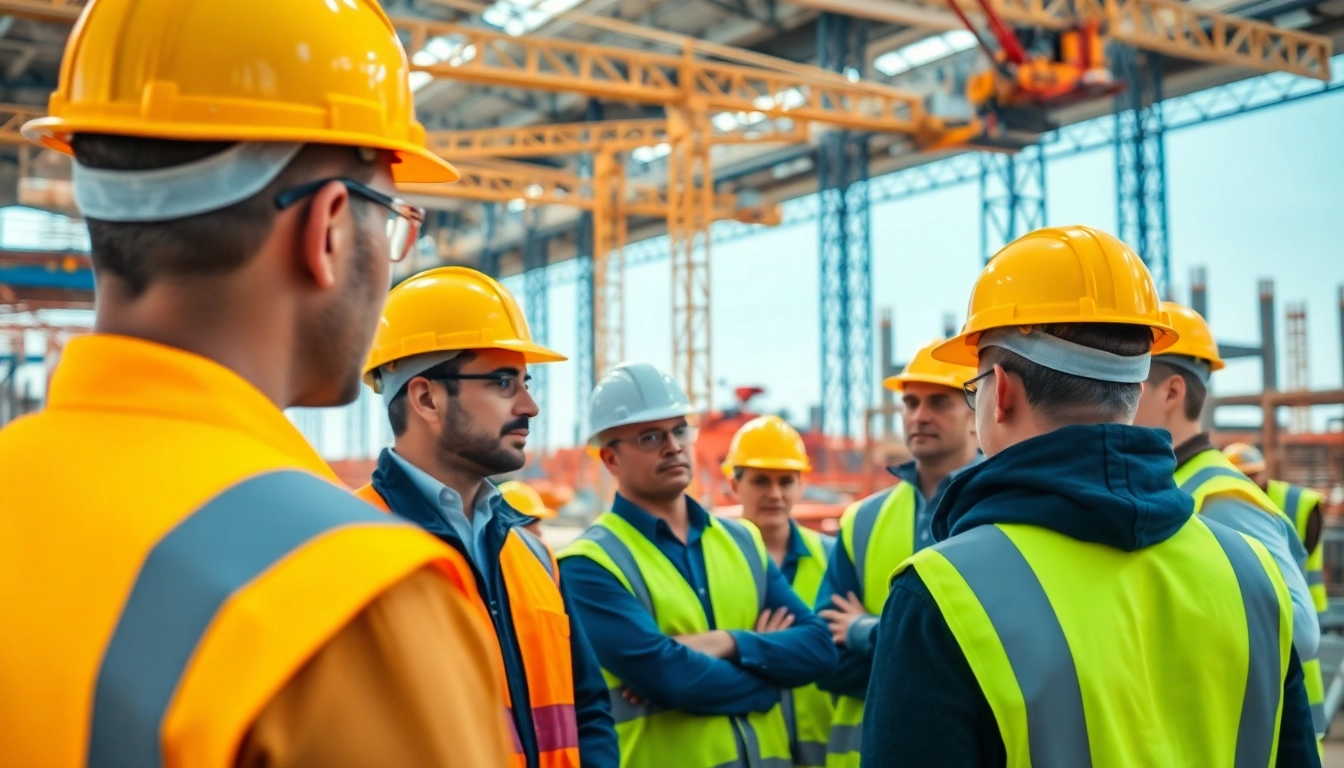
Understanding Construction Site Safety
Importance of Construction Site Safety
Construction sites are inherently hazardous environments where safety should be the utmost priority. With various potential risks, ensuring construction site safety is essential for protecting the well-being of workers and the public. Improved safety protocols not only reduce accidents but also enhance productivity. A comprehensive safety approach increases overall morale, as employees feel more secure in their work environment, which can lead to higher job satisfaction and retention rates.
Common Hazards on Construction Sites
Construction sites are riddled with risks that can lead to severe injuries or fatalities if not managed properly. Some common hazards include:
- Slip and Falls: Wet surfaces, uneven ground, and clutter can lead to slips and falls.
- Heavy Machinery Accidents: Operating cranes, bulldozers, and other heavy equipment poses significant risks.
- Electrocution: Improperly handled electrical equipment can cause severe injuries.
- Working at Heights: Falls from ladders or scaffolding are among the leading causes of injuries.
- Exposure to Hazardous Materials: Asbestos, lead, and toxic chemicals often found on sites can lead to long-term health issues.
Key Regulations and Standards
To keep construction sites safe, adherence to established regulations is paramount. The Occupational Safety and Health Administration (OSHA) outlines various standards that govern general construction safety, including:
- OSHA 1926: This set of standards pertains specifically to construction, focusing on hazard recognition and prevention.
- ANSI Standards: The American National Standards Institute provides guidelines that reinforce safe operating procedures.
- Local Codes: State and local regulations may impose additional requirements that construction sites must follow, further enhancing safety measures.
Implementing Safety Protocols
Developing a Safety Plan
Cultivating a robust safety plan is foundational for any construction site. A well-structured safety plan should outline specific safety objectives, identify potential hazards, and establish procedures for mitigating these risks. Involving employees in this process can foster commitment and ensure that practical considerations are accounted for. Regularly reviewing and updating the safety plan to reflect any changes in work processes or regulations is also crucial.
Training Workers Effectively
Effective training is crucial in ensuring that workers are aware of potential hazards and know how to operate safely within their environment. Training should cover:
- Employee orientation on site-specific safety protocols.
- Regularly scheduled training on specific machinery and equipment.
- Emergency response training to prepare workers for unforeseen incidents.
Utilizing a mix of hands-on training and classroom education can help reinforce learning and practical application.
Using Personal Protective Equipment
Providing workers with adequate personal protective equipment (PPE) is a critical element of maintaining safety on construction sites. PPE should include:
- Hard hats to protect against falling objects.
- Safety goggles to shield the eyes from debris.
- High-visibility vests to ensure workers are seen easily.
- Steel-toed boots to protect the feet from heavy items.
- Gloves appropriate for the tasks at hand to prevent injuries.
Regular training on the proper use of PPE, along with consistent enforcement, ensures that the equipment serves its purpose effectively.
Promoting Safety Culture at Work
Encouraging Open Communication
An open line of communication fosters trust and accountability among workers and management. Encouraging employees to voice safety concerns or near-misses can lead to proactive measures being taken to improve safety conditions. Regular safety meetings focused on sharing experiences and discussing safety improvements can facilitate this communication.
Establishing Reporting Procedures
Implementing clear reporting procedures for accidents and unsafe conditions is crucial. A streamlined process enables workers to report issues without fear of repercussions. This transparency not only improves trust but also enhances the site’s safety management system as incidents are addressed and resolved promptly.
Recognizing Safety Achievements
Acknowledging and rewarding safe practices can significantly motivate workers to adhere to safety protocols. Recognition programs could involve incentives for teams that maintain accident-free records, or public acknowledgment in meetings for individuals who demonstrate exemplary safety behavior. This positive reinforcement can significantly contribute to a safety-oriented culture.
Technology’s Role in Construction Site Safety
Safety Management Software Solutions
Utilizing safety management software can streamline the collection and dissemination of safety data. These platforms allow for real-time tracking of incidents, audits, and compliance with safety regulations. By leveraging data analytics, management can identify trends and areas needing improvement, enhancing overall site safety through informed decision-making.
Using Drones for Site Monitoring
Drones are increasingly being employed in construction to enhance safety protocols. They provide a unique vantage point to monitor site conditions, assess workers’ compliance with safety protocols, and inspect difficult-to-reach areas without risking personnel safety. This technology can significantly reduce the likelihood of accidents while improving site efficiency.
Advancements in Safety Gear
Innovations in safety gear have made it possible to minimize hazards on construction sites. For example, exoskeleton suits can enhance lifting capabilities while reducing strain, while smart helmets equipped with sensors can monitor environmental conditions and alert users to potential dangers. Staying up-to-date with the latest technology allows companies to better protect their workforce.
Evaluating Safety Performance
Measuring Incident Rates
Regular measurement of incident rates is essential for assessing the effectiveness of safety protocols. Key performance indicators (KPIs) such as total incident rate, lost time injury rate, and days away from work can provide insight into safety trends and highlight areas for improvement. Management should routinely analyze these metrics to gauge the organization’s safety performance.
Conducting Safety Audits
Periodic safety audits play a critical role in evaluating and ensuring compliance with safety regulations and internal protocols. Audits help identify potential hazards, ensure that safety measures are implemented correctly, and assess the effectiveness of training programs. Engaging third-party auditors can also offer an unbiased perspective on site safety practices.
Continuous Improvement Strategies
The path to safety is an ongoing journey. Continuous improvement strategies involve regularly reviewing safety protocols based on audits and incident reports. Incorporating feedback from workers and leveraging new technology can enhance safety measures. Organizations should foster a culture of safety that prioritizes constant learning and adaptation towards achieving superior safety standards.
Frequently Asked Questions
1. What is the primary goal of construction site safety?
The primary goal of construction site safety is to prevent accidents and injuries by implementing effective safety protocols and regulations to protect workers and the public.
2. What are the most common hazards in construction?
Common hazards include slips and falls, machinery accidents, electrocution, working at heights, and exposure to hazardous materials on-site.
3. How often should safety training be conducted?
Safety training should be conducted regularly, ideally at the start of each project, with ongoing training sessions to address specific hazards and updates in protocols.
4. Why is open communication vital in construction safety?
Open communication helps in identifying potential hazards early, encourages reporting of unsafe conditions, and fosters a collaborative safety culture.
5. How can technology improve construction site safety?
Technology improves safety through real-time monitoring, data analytics, and advanced safety gear that enhances workers’ protection and compliance with safety protocols.
