
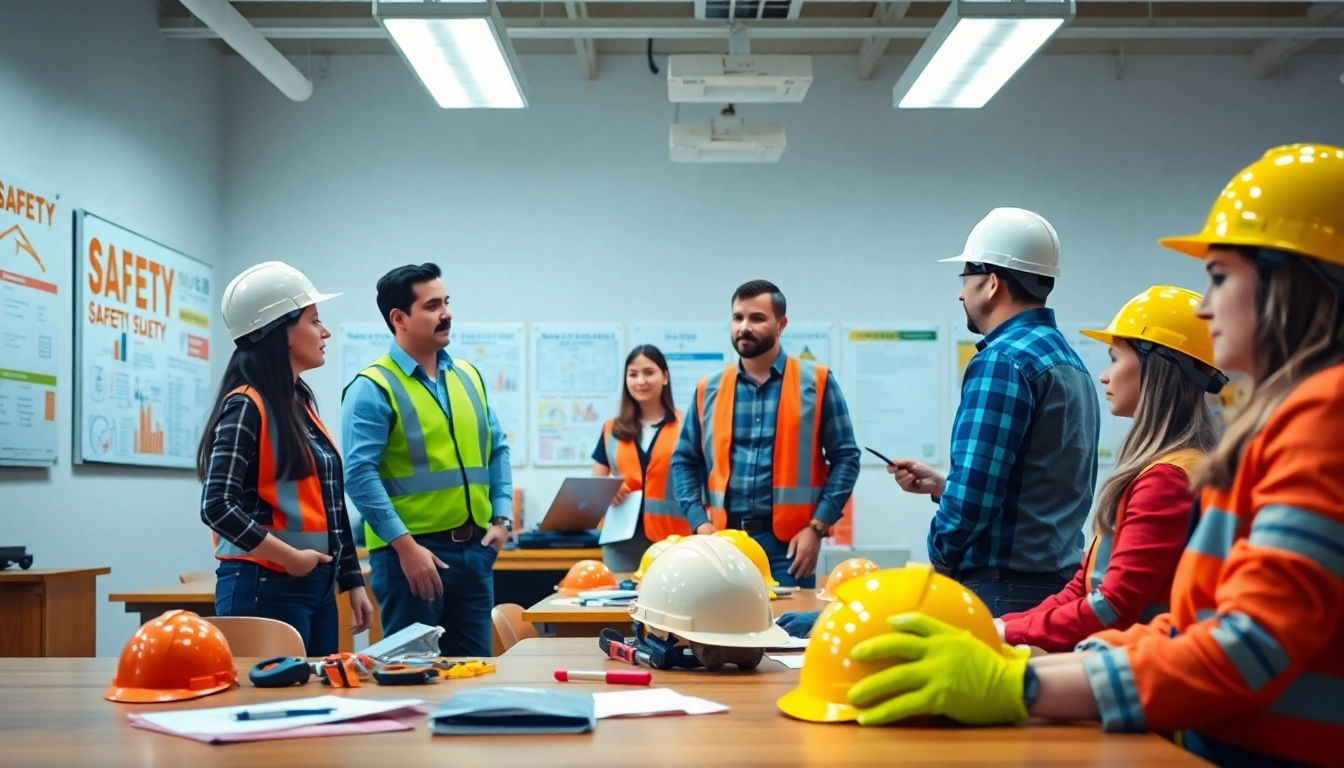
The Importance of Construction Safety Classes
Construction sites can be hazardous environments, with various dangers lurking around every corner. To ensure the safety of workers and minimize the risk of accidents, institutions and organizations provide construction safety classes. These programs are designed to educate workers about the risks associated with construction work, equip them with vital skills, and foster a safety-first culture on job sites.
Understanding OSHA Regulations
The Occupational Safety and Health Administration (OSHA) plays a crucial role in maintaining workplace safety in the U.S. They set forth regulations that construction companies must adhere to in order to protect their employees. Understanding these regulations is a key component of construction safety classes.
OSHA regulations are constantly evolving, making it imperative for workers to stay informed. Classes often cover general industry standards as well as specific requirements tailored to different construction activities. Knowing these regulations not only ensures compliance but also promotes a culture of accountability and safety on the job site.
Benefits of Safety Training for Workers
Participating in construction safety classes offers numerous benefits for workers. Primarily, these classes equip individuals with the knowledge necessary to recognize hazards, assess risks, and implement effective safety measures. This training empowers workers to take proactive steps to protect themselves and their colleagues.
Moreover, safety training helps reduce the frequency of workplace accidents, leading to lower medical costs and insurance premiums for employers. This translates to a healthier work environment and improved morale among employees. Ultimately, investing in safety training is an investment in human capital.
Case Studies: Real-World Impacts
Evidence of the effectiveness of construction safety classes can be seen through various case studies. One high-profile example involved a large construction firm that implemented a comprehensive safety training program following a series of accidents on job sites. The company saw a dramatic decrease in incidents within just a few months of training their workforce. This case emphasizes how proper training can fundamentally alter the safety culture of an organization.
Additionally, organizations that conducted regular safety audits following these training sessions reported enhanced compliance with OSHA regulations. Ultimately, these measures resulted in more efficient operations and a positive financial impact, reinforcing the importance of construction safety classes.
Key Topics Covered in Construction Safety Classes
Hazard Recognition and Risk Assessment
At the core of construction safety is the ability to recognize hazards and assess risks effectively. Classes typically teach workers how to identify potential dangers such as falls, electrocutions, being struck by objects, and more. Furthermore, they provide practical risk assessment tools to evaluate the severity and likelihood of these hazards occurring on the job site.
By understanding risk factors, workers can prioritize safety measures and implement them accordingly. This knowledge is integral to developing a proactive approach to safety management organization-wide.
Personal Protective Equipment (PPE) Usage
The use of Personal Protective Equipment (PPE) is fundamental in construction safety. Training programs cover the importance of PPE, including hard hats, gloves, safety glasses, and harnesses. Workers are educated on how to properly use, maintain, and replace this equipment to ensure maximum protection while on the job.
Moreover, courses also delve into understanding the specific PPE required for different tasks. This tailored approach ensures workers are fully equipped for their unique roles, minimizing risk exposure significantly.
Emergency Response Procedures
Accidents can happen despite the best precautions, necessitating a well-structured emergency response. Construction safety classes feature materials that address how to respond effectively to various emergencies, including injuries, fire outbreaks, and hazardous material spills.
Training focuses on developing skills such as evacuation procedures, emergency communication plans, and first aid basics. This knowledge is vital for ensuring that everybody on-site knows the necessary steps to take in critical situations.
How to Choose the Right Construction Safety Class
Accreditation and Certifications to Look For
When selecting a construction safety class, it is crucial to verify its accreditation and certification. It is best to choose programs recognized by OSHA or provided by accredited institutions. Credentials from reputable organizations lend credibility to the training and guarantee that it meets established safety standards.
Additionally, employers should require that their staff complete these accredited programs to ensure compliance and legitimacy in their safety training approach.
Instructor Qualifications and Experience
The effectiveness of construction safety classes largely hinges on the qualifications of the instructors. It is essential to choose classes taught by certified professionals who have hands-on experience in the construction industry and a solid background in safety management. These instructors can provide invaluable real-world insights and foster engaging learning experiences.
Potential students should inquire about the instructor’s credentials, previous training experience, and success stories to ensure they are receiving quality education.
Class Formats: Online vs. In-Person
Another important factor in choosing the right construction safety class is the format of the course. Online classes offer flexibility and the ability to learn at one’s own pace, which can be appealing for busy workers. On the other hand, in-person classes can promote interactive learning and allow for hands-on training, particularly in equipment operation.
Ultimately, the choice between online and in-person classes may depend on the learner’s style, scheduling needs, and the specific training being provided. Both formats have their merits and can be effective in educating workers.
Implementing Safety Practices on the Job Site
Creating a Safety First Culture
To cultivate a lasting impact, it is essential to create a safety-first culture on the job site. This involves leadership commitment, consistent communication, and employee involvement. Companies should actively promote safety as a core value and encourage open dialogue about safety issues.
Establishing safety committees and conducting regular meetings and training sessions can strengthen this culture. Workers should feel empowered to report unsafe conditions without fear of retaliation, enhancing the proactive safety approach.
Monitoring and Compliance Strategies
Implementing effective monitoring and compliance strategies is critical in ensuring that safety practices are followed. Companies should establish clear guidelines and standard operating procedures (SOPs) based on OSHA standards. Regular internal audits should be conducted to identify areas for improvement.
Moreover, creating a system for tracking safety performance metrics can help gauge adherence to safety protocols. Consistent reporting and accountability will reinforce the need for compliance among all employees.
Regular Safety Audits and Refreshers
Safety training does not end after the initial class; regular refresher courses and audits are integral to maintaining a safe working environment. Regular audits help identify emerging hazards and the effectiveness of current safety measures. Refresher courses ensure that knowledge remains current and that workers are apprised of any changes in regulations.
Notably, certification renewals should be incorporated into this ongoing training strategy. Keeping skills and knowledge up to date will be pivotal in minimizing accidents and promoting long-term safety on the job site.
Frequently Asked Questions about Construction Safety Classes
What are the prerequisites for attending construction safety classes?
Most classes require no prior experience; however, basic understanding of construction sites is beneficial.
How often should workers attend safety training?
It’s recommended to have refresher courses annually or after significant changes in regulations and equipment.
Are construction safety classes valid across different states?
Yes, most safety training certifications are recognized nationwide, though local laws may vary.
What topics are included in a typical safety class?
Classes generally cover hazard recognition, PPE use, and emergency procedures tailored to specific occupations.
Is online training as effective as in-person classes?
Both formats can be effective; online training offers flexibility, while in-person classes allow for hands-on practice.
