
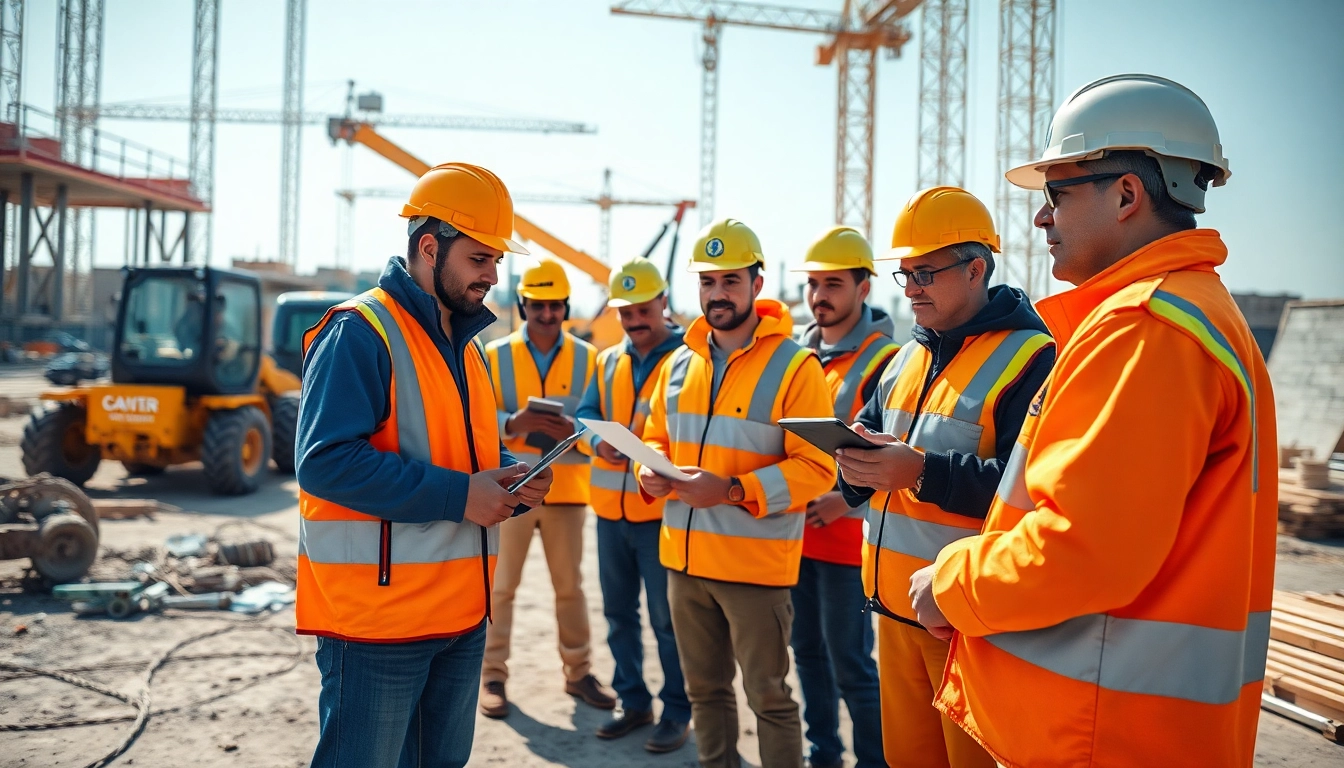
Understanding Construction Safety Training
Construction sites are inherently dangerous environments. Safety training is essential to protect workers from accidents and injuries. Effective construction safety training programs address specific risks associated with different tasks and ensure compliance with regulations. This comprehensive guide will explore important aspects of construction safety training, highlight its importance, and provide detailed insights to develop an effective training plan.
Importance of Construction Safety Training
Construction safety training is vital for various reasons. Firstly, it helps prevent workplace injuries and fatalities, which can have severe consequences for workers and their families. Secondly, training fosters a culture of safety within organizations, enhancing teamwork and communication, and ultimately promoting productivity. Furthermore, investing in safety training can lead to reduced insurance premiums and liability costs, thereby improving the organization’s bottom line.
Key Components of Effective Training
Effective construction safety training includes several critical components:
- Hazard Recognition: Workers must be trained to identify potential hazards on the job site.
- Risk Assessment: Understanding how to evaluate the level of risk associated with different tasks is essential.
- Emergency Response: Training should include procedures for responding to emergencies, including first aid and evacuation protocols.
- Personal Protective Equipment (PPE): Proper usage and maintenance of PPE should be emphasized in all training sessions.
Legal Requirements and Standards
Construction companies must adhere to various legal standards and regulations set by institutions such as OSHA (Occupational Safety and Health Administration) in the United States. These regulations often require specific safety training components tailored to the needs of different job sites and personnel. Compliance with these legal requirements ensures not only the safety of workers but also protection for employers from costly fines and lawsuits.
Types of Construction Safety Training Programs
On-Site Training vs. Online Courses
There are primarily two types of construction safety training programs: on-site training and online courses. On-site training allows for hands-on, practical instruction delivered by experienced trainers. This method encourages interaction and immediate feedback, ideal for teaching high-risk tasks. In contrast, online courses provide flexibility and convenience, offering workers the option to learn at their own pace. While both methods have their merits, the choice often depends on the specific needs of the organization and its workforce.
Specialized Training for High-Risk Areas
Certain areas within the construction sector are deemed high-risk and require specialized training. Examples include working at heights, operating heavy machinery, and engaging in demolition activities. Workers in these roles should receive tailored training that addresses the unique risks they face, ensuring they are adequately prepared to perform their jobs safely.
Choosing the Right Training Program
When selecting a construction safety training program, organizations should consider several factors, including the specific needs of the workforce, the training delivery method, and the reputation of the training provider. Additionally, organizations should ensure the program aligns with legal requirements and industry standards. Evaluating past performance and course materials can also help employers choose an effective safety training program.
Developing a Construction Safety Training Plan
Assessing Workplace Risks
A thorough assessment of workplace risks is crucial for developing a successful construction safety training plan. This process involves identifying potential hazards, evaluating existing safety measures, and assessing the knowledge gaps in workers. A comprehensive risk assessment allows organizations to pinpoint the specific training requirements of their workforce.
Setting Training Objectives and Goals
Clear objectives and goals are vital for effective construction safety training. Training objectives should focus on knowledge acquisition, behavior change, and the practical application of safety protocols. Organizations should establish measurable goals that align with both regulatory requirements and the company’s overall safety objectives.
Creating Engaging Training Materials
To enhance the training experience, it is essential to develop engaging training materials. This can include interactive presentations, videos, handouts, and practical demonstrations. Incorporating real-life case studies and scenarios can also make the training relatable and relevant, ensuring participants are more likely to retain the information presented.
Implementing Construction Safety Training
Strategies for Effective Delivery
The delivery method of safety training significantly impacts its effectiveness. Incorporating a blend of instructional methods—such as lectures, discussions, and hands-on activities—can cater to different learning styles. Additionally, scheduling training sessions at times that are convenient for workers can improve attendance and participation.
Incorporating Simulations and Hands-On Learning
Simulations and hands-on learning are essential components of effective construction safety training. These methods provide workers with the opportunity to practice skills in a controlled environment, reinforcing learning and allowing them to carry these skills confidently into the field. Furthermore, simulations encourage teamwork and problem-solving, fostering a collaborative safety culture.
Tracking Progress and Performance
It is crucial to track the progress and performance of training participants. Regular assessments and evaluations can help determine how well workers grasp safety concepts and where additional training may be necessary. Utilizing tools like quizzes, practical demonstrations, and feedback sessions can provide valuable insights into the effectiveness of the training program.
Measuring the Effectiveness of Construction Safety Training
Key Performance Indicators (KPIs)
Establishing Key Performance Indicators (KPIs) to evaluate the effectiveness of construction safety training is essential. Common KPIs include the reduction in workplace accidents, improvements in safety compliance rates, and feedback scores from participants. Tracking these metrics over time can help identify areas for improvement and demonstrate the value of training investments to stakeholders.
Gathering Feedback from Participants
Gathering feedback from training participants is vital to continuous improvement. Organizations should encourage participants to share their experiences and insights regarding the training material and delivery. This feedback can help identify strengths and weaknesses in the training program, aiding in the development of future training sessions.
Adjusting Training for Continuous Improvement
To maintain an effective training program, organizations should be willing to adapt and refine their construction safety training based on the feedback received and changing regulations. Regularly reviewing training content and delivery methods can help ensure that the training remains relevant, engaging, and effective in addressing workplace safety challenges.
Frequently Asked Questions
What is construction safety training?
Construction safety training equips workers with the skills and knowledge to recognize hazards and implement safe practices on construction sites.
How often should safety training be conducted?
Safety training should be conducted regularly; often annually or whenever new equipment, processes, or personnel are introduced.
Can safety training be delivered online?
Yes, online training is effective for many safety topics, providing flexibility for workers to complete courses at their own pace.
What are the legal requirements for safety training?
Legal requirements vary by location but typically include compliance with OSHA regulations, which mandate specific safety training for certain tasks.
How can training effectiveness be measured?
Training effectiveness can be measured through Key Performance Indicators (KPIs), participant feedback, and tracking improvements in safety compliance.
