
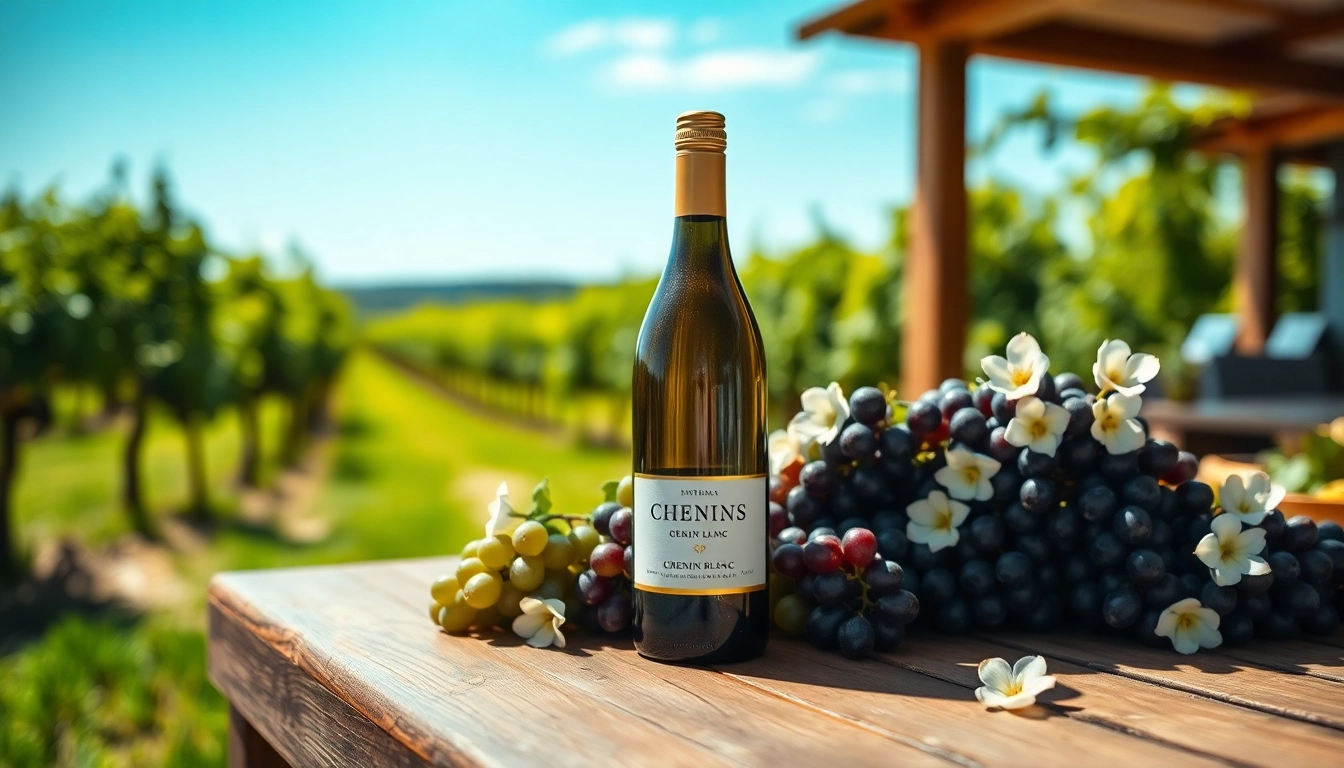
1. Introduction to Chenin Blanc
Chenin Blanc is a versatile grape variety that has earned a prominent place in the world of wine. Loved for its remarkable adaptability, this grape can be transformed into a plethora of wine styles, ranging from dry to sweet, sparkling to still. If you’re looking to explore the world of Chenin Blanc, there’s much to discover about its unique qualities, historical significance, and flavor profile.
1.1 What Makes Chenin Blanc Unique?
Chenin Blanc stands out for its incredible flexibility in winemaking. Its high acidity allows it to maintain freshness, while its varied flavor profiles make it suitable for diverse styles. The grape’s character can change dramatically based on the terroir, region, and winemaking techniques involved, thus creating wines that can be appreciated by various palates. Whether you’re indulging in a crisp, dry version or delighting in a sumptuous dessert style, Chenin Blanc promises a drinking experience like no other.
1.2 Historical Overview of Chenin Blanc
Originating from the Loire Valley in France, Chenin Blanc has been cultivated since the 9th century. Historical records reveal that its viticultural journey began in Anjou, where it became iconic for its remarkable range of expressions. Over the centuries, Chenin Blanc has traveled the globe, finding ideal homes in regions like South Africa and California, adapting and thriving in various environments while retaining its unique character.
1.3 Varieties of Chenin Blanc Wine
The Chenin Blanc grape can yield an impressive array of wine styles. For instance, dry Chenin Blanc offers bright, fruit-forward profiles with considerable acidity, making it exceptionally refreshing. On the other hand, off-dry kinds present a subtle sweetness balanced by acidity, which appeals to a broad audience. Sweet dessert wines, often produced through botrytization, display the grape’s depth and complexity, featuring concentrated flavors of apricot, honey, and floral notes.
2. Flavor Profile of Chenin Blanc
Understanding the flavor profile of Chenin Blanc is essential for both enthusiasts and those new to the variety. Its characteristics vary based on numerous factors, including the grape’s ripeness, where it’s grown, and the winemaking practices employed.
2.1 Tasting Notes and Aromas
Chenin Blanc typically showcases lively aromas and flavors of apple, pear, and citrus when produced in a dry style. As it evolves, it can exhibit notes of quince, honey, and tropical fruits like pineapple. The balance of acidity is a defining characteristic; a well-structured Chenin Blanc should have a refreshing finish that beckons another sip.
2.2 Factors Influencing Flavor
Several factors can influence the flavor profile of Chenin Blanc. The terroir—comprising soil type, microclimate, and vineyard practices—plays a crucial role. For instance, grapes grown in cooler regions often retain higher acidity and fresher fruit flavors, while those from warmer climates may develop riper fruit characteristics. Additionally, winemaking techniques, such as oak aging or fermentation in stainless steel, can impart complexity and richness to the wine.
2.3 Food Pairings for Chenin Blanc
The versatility of Chenin Blanc makes it a fantastic partner for a variety of dishes. Its crisp acidity allows it to cut through rich foods, making it an excellent pairing for creamy cheeses, seafood, and poultry. Similarly, sweeter versions of Chenin Blanc shine alongside spicy cuisines, desserts, or fruity dishes, creating a harmonious balance that enhances both the food and the wine.
3. Growing Regions for Chenin Blanc
While Chenin Blanc’s roots lie in the Loire Valley, it has gained popularity in various parts of the world, each contributing unique characteristics to the grape.
3.1 Top Regions Known for Chenin Blanc
In addition to its homeland, notable regions for Chenin Blanc include South Africa, particularly the Western Cape, known for its rich and diverse expressions. California also produces noteworthy Chenin Blanc, especially in regions like Napa Valley and Paso Robles. Australia has seen interest in the grape, with the Adelaide Hills emerging as a noteworthy area for compelling interpretations.
3.2 Climate and Soil Impact on Taste
Climate and soil significantly affect the flavor and quality of Chenin Blanc. In cooler climates, grapes tend to retain their acidity, producing wines with bright and zesty profiles. In contrast, warmer areas promote riper flavors and fuller-bodied wines. Soil types—from clay to limestone—can also impact minerality and overall expression, allowing winemakers to craft unique variations.
3.3 The Future of Chenin Blanc Cultivation
As climate change alters traditional viticultural conditions, Chenin Blanc’s adaptability positions it favorably for future cultivation. With increasing interest from winemakers and consumers alike, efforts to revive and innovate Chenin Blanc production are gaining traction. Sustainable practices and a focus on terroir-driven results will play a crucial role in the grape’s continued prominence.
4. Serving and Storing Chenin Blanc
To fully appreciate the nuances of Chenin Blanc, serving and storage practices must be considered carefully. These steps ensure that each bottle is enjoyed at its best.
4.1 Ideal Serving Temperature
Chenin Blanc is best served chilled. The ideal temperature is typically between 45°F to 50°F (7°C to 10°C) for dry styles, while sweeter varieties can be served slightly warmer at around 50°F to 55°F (10°C to 13°C). Serving at the right temperature enhances the wine’s aromatic profile and palate experience.
4.2 Glassware Recommendations
To elevate the drinking experience, consider using medium-sized white wine glasses. These glasses help concentrate the aromas while allowing enough surface area for the wine to breathe. The flared rim directs the wine to the right part of the palate, allowing for a balanced tasting experience.
4.3 Storage Tips for Longevity
Proper storage of Chenin Blanc will help preserve its quality over time. Store bottles upright in a cool, dark place with a consistent temperature, ideally between 50°F and 55°F (10°C and 13°C). Ensure that they are kept away from direct sunlight and vibrations, and consider using a wine fridge for optimal conditions.
5. Frequently Asked Questions About Chenin Blanc
5.1 What foods pair best with Chenin Blanc?
Chenin Blanc pairs wonderfully with seafood, creamy chicken dishes, and soft cheeses. Its versatility also makes it a great match for spicy cuisines and fruity desserts.
5.2 How should you properly store Chenin Blanc?
Store Chenin Blanc in a cool, dark place at temperatures between 50°F and 55°F. Keep bottles upright to minimize contact with the cork and avoid direct light and vibrations.
5.3 Is Chenin Blanc sweet or dry?
Chenin Blanc can be both sweet and dry, depending on the production method. Dry styles are crisp and refreshing, while sweeter versions offer rich fruit and honeyed flavors.
5.4 What are some popular brands of Chenin Blanc?
While this article doesn’t mention specific brands, look for producers known for their artisanal winemaking practices in regions where Chenin Blanc thrives, such as South Africa and Loire Valley.
5.5 How can I taste different Chenin Blanc varieties?
Attend wine tastings at local wineries or wine shops specializing in diverse selections. Exploring different vintages, styles, and regions will help you appreciate the complete range of Chenin Blanc.
